What is the Google search Engine? A search engine is a program designed for users to find relevant information by typing keywords or search queries into search browsers. Search engines have crawlers or spiders that explore websites and index or store website data, and they rank websites based on search algorithms and ranking parameters. Here […]
What is local citation building? Local citation building/business listing is a local SEO marketing technique where a local business is listed on relevant third-party local business listing websites, search engines, apps, and review and rating websites with accurate information of NAP (name, address, and phone number). There are other business details that can be used […]
7 Must Try Tips to Keep Your E-Commerce Sales Hot This Holiday Season The holiday countdown has just begun and as the festive mood gathers momentum, people start going on the shopping binge. The soaring number of people opting for online shopping in holidays is simply incredible. This is the great opportunity for e-commerce companies […]
This is the year 2019. And if you are an entrepreneur, you most probably have or are trying to have a content marketing strategy with intent to boost your digital marketing efforts. In simplest terms, content marketing is about creating and delivering high-quality content to educate customers how useful your products are and to help […]
Nothing is impossible to achieve if you have good resources and investment. Most experts say online marketing for e-commerce sites is difficult, but it is not. Even doing SEO for an e-commerce website is easy by implementing these essential content marketing strategies for your e-commerce site to increase organic traffic, rankings, and online sales. Know […]
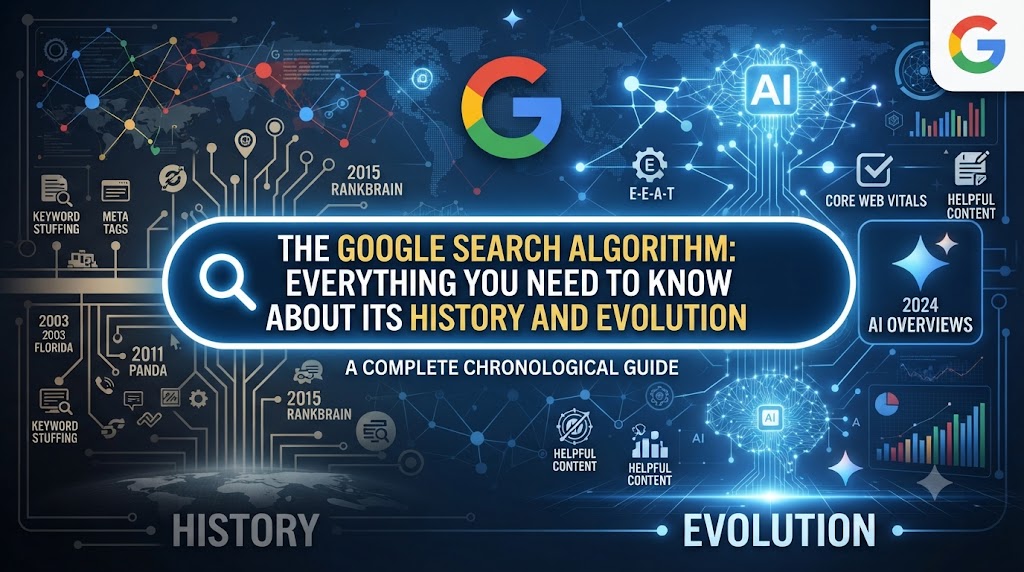
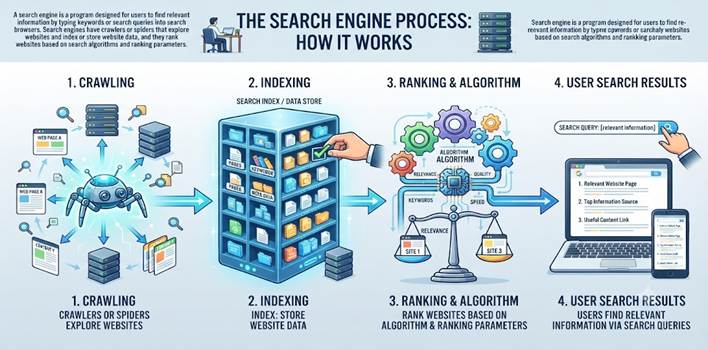
A search engine is a program designed for users to find relevant information by typing keywords or search queries into search browsers.
Search engines have crawlers or spiders that explore websites and index or store website data, and they rank websites based on search algorithms and ranking parameters. Here are few top search engines:
Google
Microsoft Bing
Yahoo
Baidu
Yandex
How Search Engine Works?
A search engine works through three main stages. Here they are:
Crawling – In this stage, crawlers or spiders (automated search programs) visit websites to explore webpage content, links, website structure, and other information.
Indexing – Once crawlers or spiders finish their job, the search engine organizes and stores the website data in a database; this process is called indexing.
Ranking and Algorithm – An algorithm is designed with numerous parameters to rank a website in search results. Google’s ranking algorithm filters websites according to their metrics, and based on performance, the most suitable websites that meet the most parameters are ranked at the top.
Display – Finally, the user gets relevant information based on their search queries.
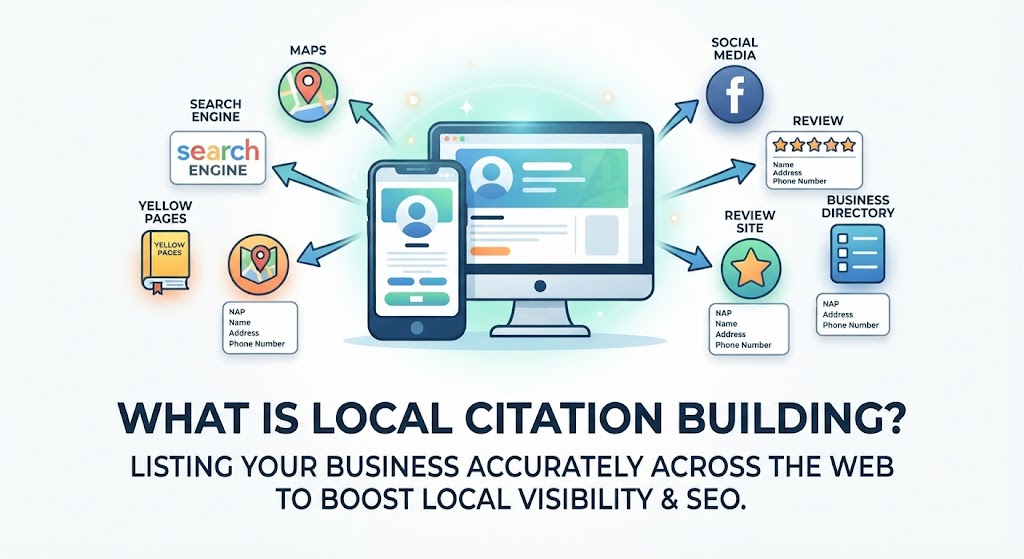
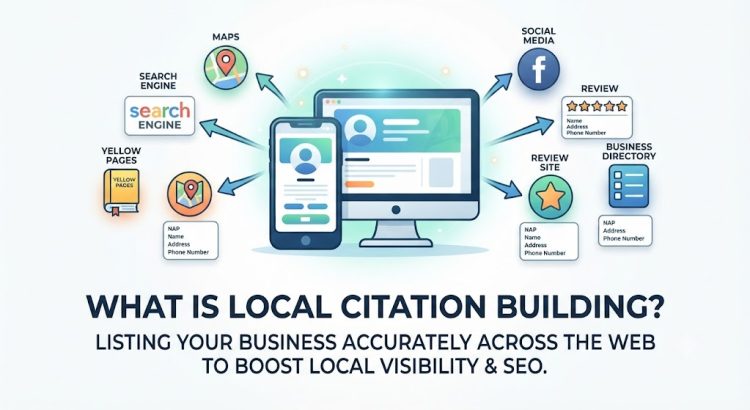
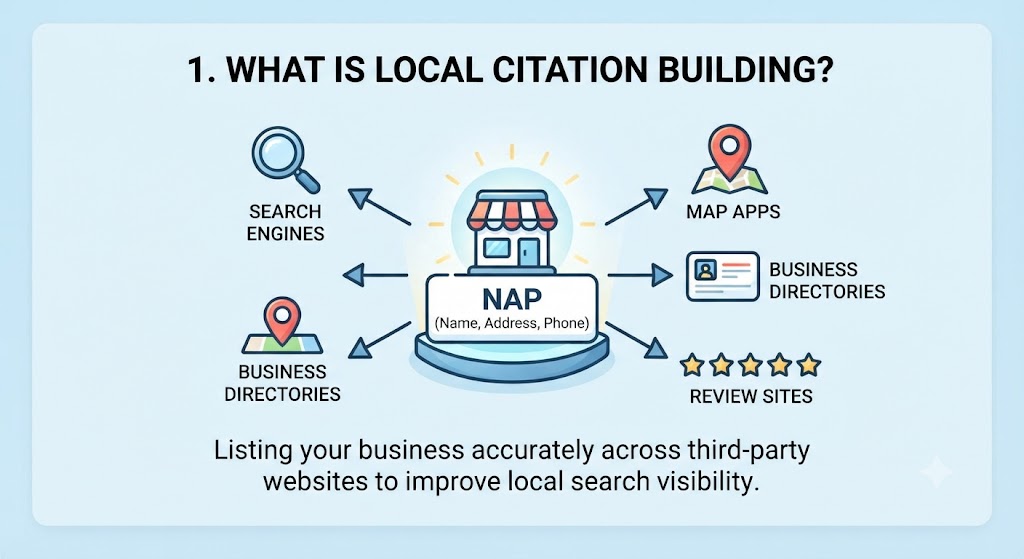
Local citation building/business listing is a local SEO marketing technique where a local business is listed on relevant third-party local business listing websites, search engines, apps, and review and rating websites with accurate information of NAP (name, address, and phone number). There are other business details that can be used for location citations, like a business description, business category, business keywords, contact email, website URL, and more.
Content-
What is local citation building? Why You Need Citation Building? What types of information are included in local listings? How to Choose the Right Local Business Listing Pages and Review Sites? Why Review and Citation building Are Crucial in Local Marketing? The Impact of Local Listings and Reviews on Consumer Decision-Making List of Local Business Listing Websites. What is listings management? Listing Management Vs Building Citations Local Listing Management Tools
Why You Need Citation Building?
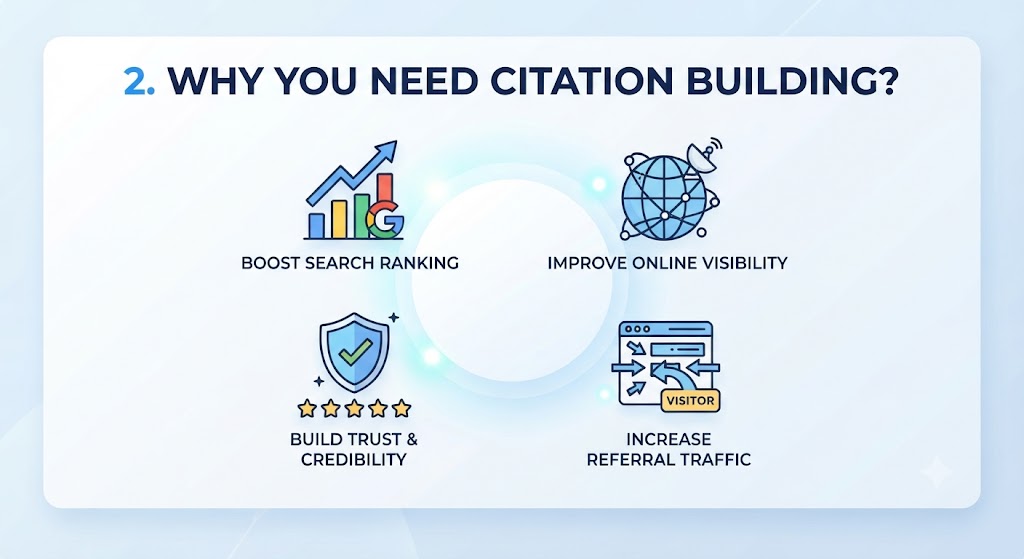
Local citation building with an accurate NAP for any online business is more important to improve local search performance on search engines on local search queries. Here are why online businesses need citation building:
Boost Search Ranking on Local Searches –
Search engines like Google use citations—such as a Google Business Profile—to verify online business details, including the location, business name, address, phone number, and more. Only verified business listings can be displayed or ranked on search engines. Listing your business on directory websites with consistent NAP information improves Google’s trust in your brand and helps your Google Business listing rank higher in search results.
Improve Online Visibility –
There are approximately 6.12 billion global internet users worldwide and some part of these users use third-party directories” (such as online business listings, yellow pages, map apps or specialized B2B/consumer directory platforms) for online business, listing businesses on local listing websites improve online business visibility.
Build Trust and Credibility –
Finding accurate business information—including NAP, user reviews, and ratings—on multiple business listing platforms builds customer trust, confidence and sends a positive signal, encouraging them to purchase your services or products.
Increase Referral Traffic –
Citation building websites do more than just improve SEO—they also drive referral traffic to your website. When users find and search for your business on local listing platforms, map apps, and review sites, positive feedback and accurate details improve your click-through rate, enhancing your business profile and generating valuable referral traffic.
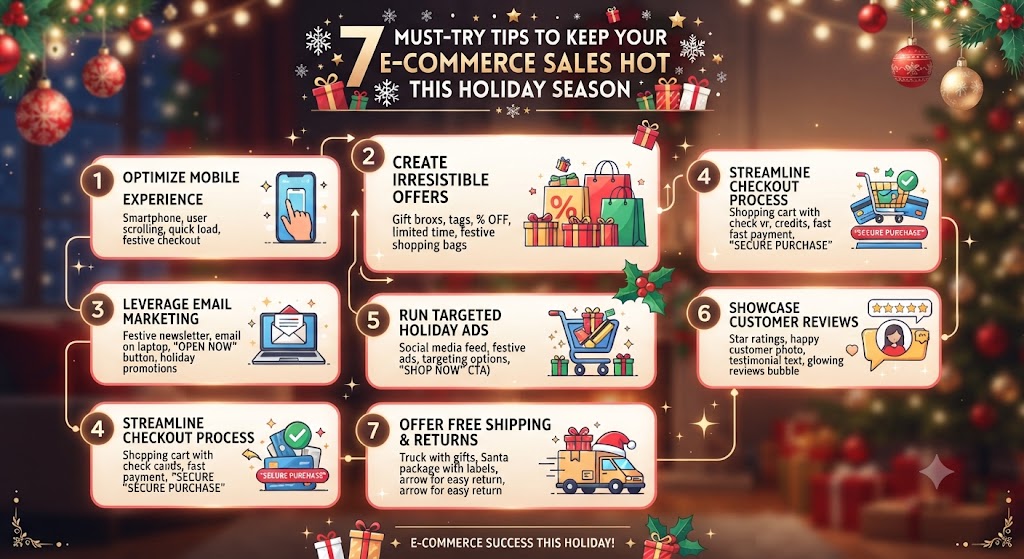
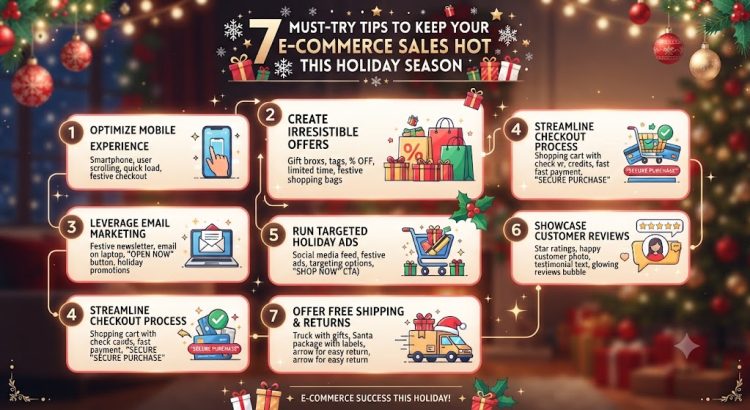
7 Must Try Tips to Keep Your E-Commerce Sales Hot This Holiday Season
The holiday countdown has just begun and as the festive mood gathers momentum, people start going on the shopping binge. The soaring number of people opting for online shopping in holidays is simply incredible. This is the great opportunity for e-commerce companies to boost their sales.
If you are eying for making most of this shopping season rage, you might as well get prepared to attract your prospects toward your online storefront. Make this season celebrations a win-win manifesto for you and your customers. However, the reality is you are not alone in this shopping carnival; your competitors must also be strategizing to take full advantage of this. So how are you planning to increase your online sales?
Here are some great tips for you:
1: Make sure your site is ready with holiday theme
Your website and its landing page are very crucial points of contact with your customers. Give them the reason that you are equally excited about welcoming as well as serving them. Spruce up the look and feel of your store so that people take you seriously and that you mean business when it comes to advertising your products. Being in the same holiday spirit as your customers are will encourage them to shop with you. During holidays, customers expect that you have something unique and enchanting holiday collection products for them that can provide a good value for their money. You need to focus on visual design and aesthetics according to the coming festival, for example, Black Friday, Christmas, New Year. You can use small, simple festive elements with a campaign that can attract families.
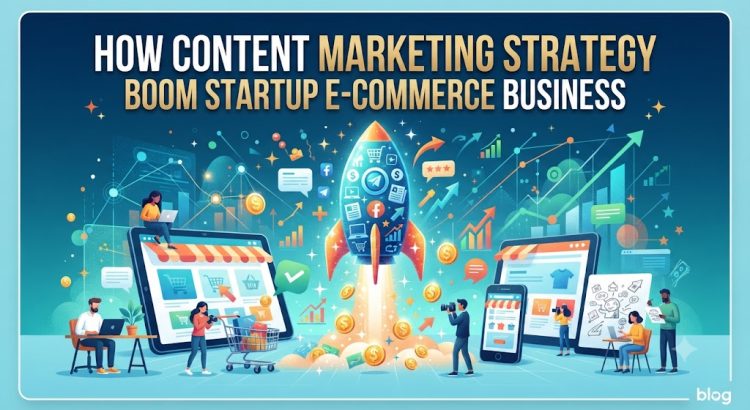
This is the year 2019. And if you are an entrepreneur, you most probably have or are trying to have a content marketing strategy with intent to boost your digital marketing efforts.
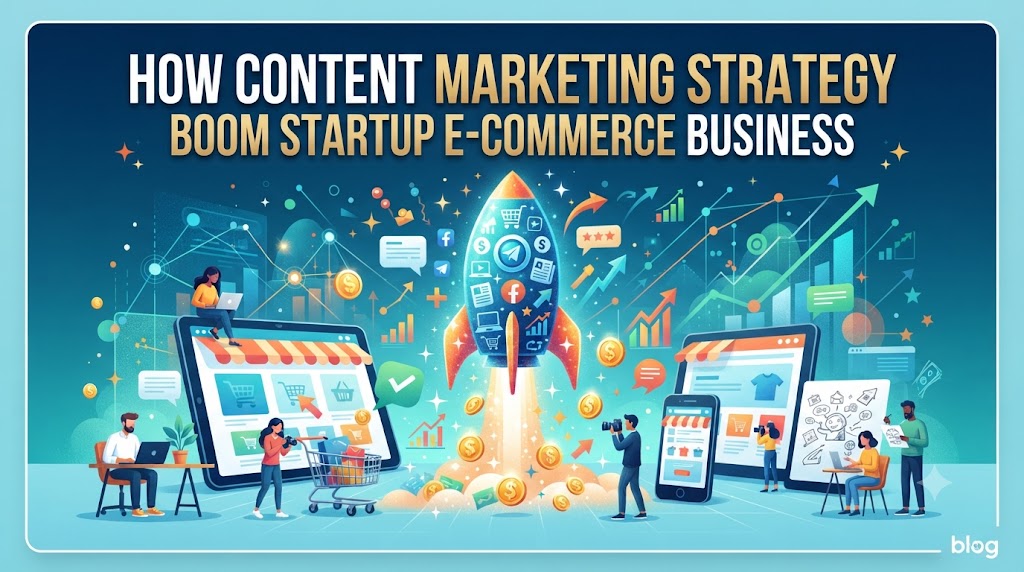
In simplest terms, content marketing is about creating and delivering high-quality content to educate customers how useful your products are and to help them make informed decisions. An important part of digital marketing, content marketing is one of the most effective and practicable ways of marketing and promotion.
Artificial Intelligence, Machine Learning and Content Marketing
So how do you attract people? In the terminology of content marketing, by creating appealing content with powerful call to action (CTA) pitches. But how do you create the content that appeals to your audience?
One of the many answers to this tricky question is by knowing what exactly your customers want. The use of AI and machine learning certainly brings a load of convenience here.
The advanced AI and machine learning applications have consolidated the idea that machines can learn and think on their own. These technologies indeed are transforming content marketing landscape offering a host of conveniences such as identifying exact audience, increasing engagement, saving cost and many more.
AI and ML help systemize faster and better content marketing campaigns that are bound to give results. Introducing these technologies automates your dashboards and eases a lot of mind-numbing activities, by allowing you to create new and use existing content effectively.
Nothing is impossible to achieve if you have good resources and investment. Most experts say online marketing for e-commerce sites is difficult, but it is not. Even doing SEO for an e-commerce website is easy by implementing these essential content marketing strategies for your e-commerce site to increase organic traffic, rankings, and online sales.
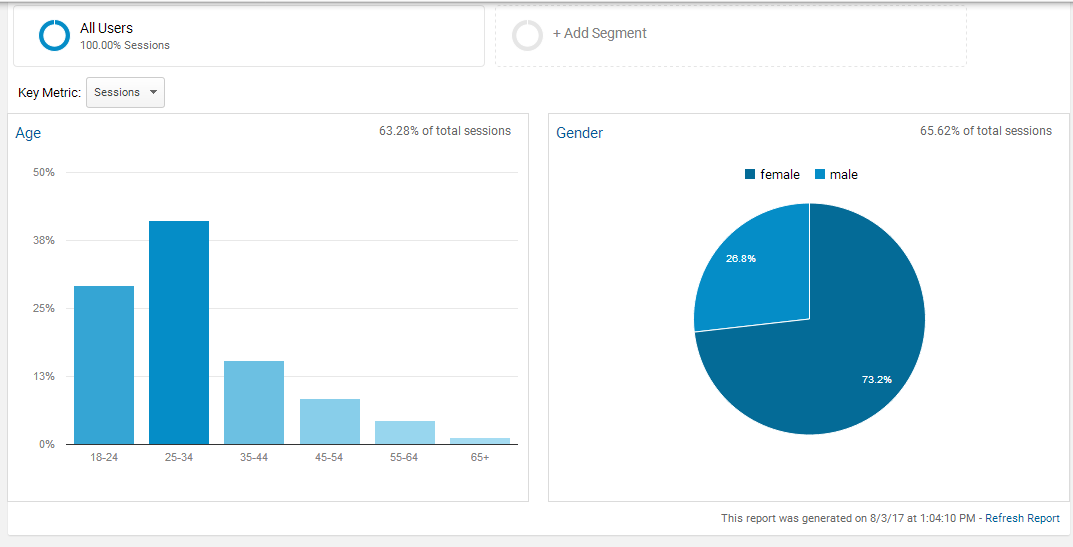
Know your target audience for your E-commerce business
Why does content marketing fail? Without knowing your target audience for your e-commerce business, content will not help you get the full benefit from your marketing efforts. Most content marketers produce content for blog posts, white papers, video marketing, infographics, e-books, newsletters, and more, but what results do they actually get? Only 30% get good results. Before producing content, we must know what our target audience is looking for, what kinds of topics we should produce, and how our content will help our audience, encourage them to visit our website, and buy our products. Don’t develop any content to publish without a clear purpose.